- Jan 25
Shrinkage: The Most Misunderstood Marker of Hair Health
The Fundamentals Series
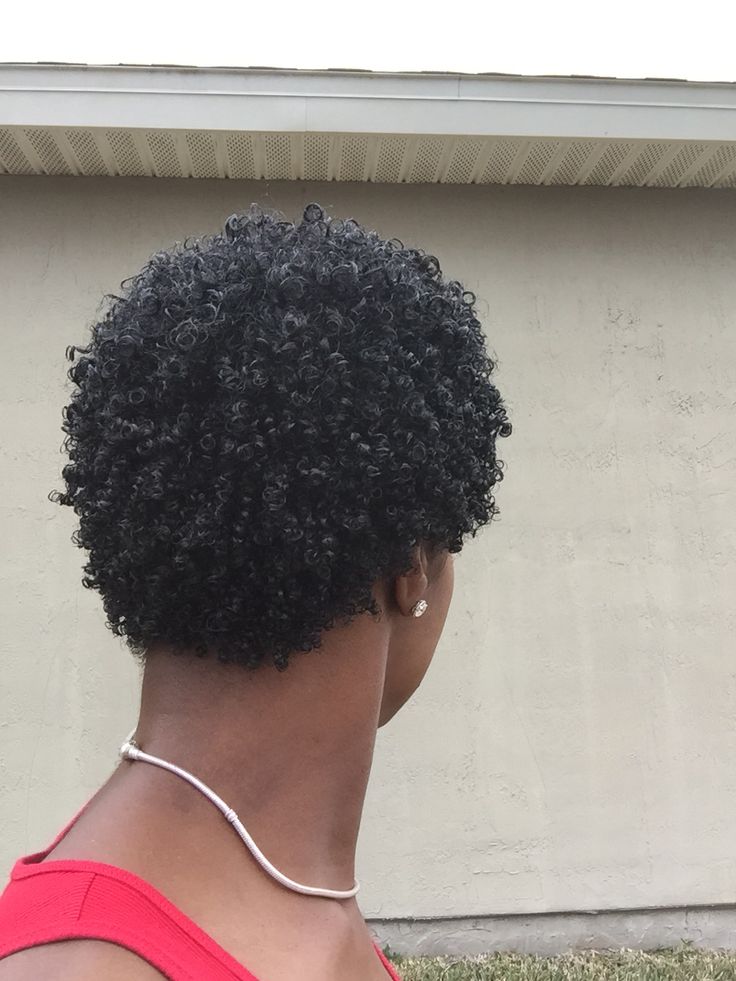
Shrinkage is one of the most important — and most misinterpreted — characteristics of curly and tightly curled hair. In professional spaces, shrinkage is often spoken about as an inconvenience, a flaw, a problem to “fix,” or a sign that the hair lacks length, moisture, or manageability.
But shrinkage is none of these things.
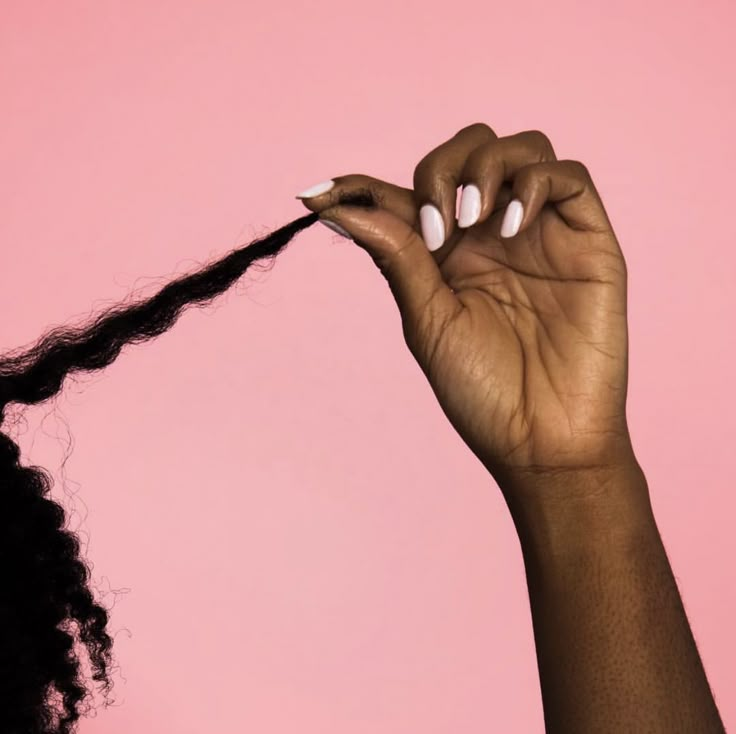
Shrinkage is a sign of elasticity, structural integrity, and healthy behaviour within the curl fibre.
When stylists truly grasp what shrinkage means biologically, every aspect of their work improves — from product selection and technique to heat application, tension control, and client education.
1. What Shrinkage Actually Is (Scientifically)
Shrinkage occurs because:
The hair’s helix structure (the double spiral shape of keratin chains) contracts when hydrated.
Curly hair has more curvature points per centimetre, creating structural “springs.”
Water absorption causes temporary swelling, which strengthens the natural bends.
In other words:
➡️ The healthier the coil, the more confidently it shrinks.
➡️ The more damaged the cuticle or cortex, the less the hair can shrink.
This is why stylists must see shrinkage as an assessment tool, not an obstacle.
2. Heat, Shrinkage & Reversion — What Professionals Need to Know
A strand that shrinks beautifully also reverts beautifully.
If a stylist uses heat responsibly —
✔ controlled temperature
✔ correct tension
✔ proper hydration
✔ protective products
✔ minimal passes
✔ avoiding cumulative weekly heat —
then healthy hair will return to its natural pattern with minimal manipulation.
However:
If shrinkage is weak, reversion is slow or incomplete → potential heat damage.
If shrinkage is uneven, the stylist should assess porosity or previous chemical history.
A strong, quick recoil is the hair saying:
“I’m structurally sound.”
This should be celebrated, not straightened away.
3. Shrinkage Looks Different Across Ethnic Groups — and That’s Perfectly Normal
Here is where sensitivity matters deeply.
Within global Black and mixed-heritage communities, shrinkage varies widely. Genetics, follicle shape, internal fibre formation, and strand diameter all influence how tight or loose the bends are.
A. Fine strands
Fine afro-textured strands often create:
soft bends
wave-curl hybrids
loose shrinkage that settles into waves rather than spirals
This is not a sign of being “less afro” — it is simply the biology of fibre diameter and helix function.
B. Coarse strands
Coarser strands typically:
have stronger internal bonds
create dramatic shrinkage (50–80%)
can form tight zigzags or tight spirals
Both behaviours are normal expressions of natural hair physiology.
4. Addressing Harmful Language With Care
Certain slurs have been historically used to rank textures and create false hierarchies within Black communities. These terms are deeply harmful and rooted in colonial ideas of beauty and proximity to whiteness.
“Coolie hair” (Caribbean context)
Used to describe loose, soft, wavy-curly textures often found in Caribbean mixed-heritage families.
It unfairly implies:
the texture is “better”
the identity is “less Black”
the person is somehow “other”
“Coconut” (West African context)
A damaging insult that suggests a person is “white on the inside” if they have looser curls or a certain phenotype.
These terms have no scientific basis and do real emotional harm.
As professionals, it's important to create a safe environment where clients never hear their natural biology used as a weapon or a joke.
Hair does not determine identity.
Texture is not hierarchy.
5. Why Shrinkage Education Transforms Professional Practice
Once stylists view shrinkage as a health metric, everything changes:
A. Product choice becomes intentional
You no longer over-hydrate trying to “reduce” shrinkage — instead, you work with the coil.
B. Heat becomes purposeful, not habitual
Shrinkage helps you judge the hair’s readiness for heat and its likelihood of safe reversion.
C. Tension-based styles become safer
Recognising natural shrinkage patterns helps prevent tension alopecia and recession.
D. Client communication improves
Stylists shift the conversation from “stretching hair to show length” to
“celebrating elasticity as a sign of strength.”
E. The cultural weight reduces
The stylist becomes part of a movement that reframes afro hair not as something to manage, but something to understand and honour.
Here is a gentle, empowering explanation you can use in real life:
“Your shrinkage is actually a sign that your hair is healthy and elastic. The more confidently it shrinks, the more confidently it will revert after heat styling. Shrinkage isn’t fighting you — it’s protecting your length.”