- Dec 14, 2025
Porosity, Density & Elasticity: The Three Factors That Should Guide Every Service
When stylists truly understand porosity, density, and elasticity, textured-hair services become easier, safer, and far more predictable. These three characteristics determine how hair responds to moisture, tension, styling, and product choice — and they are far more reliable than curl typing.
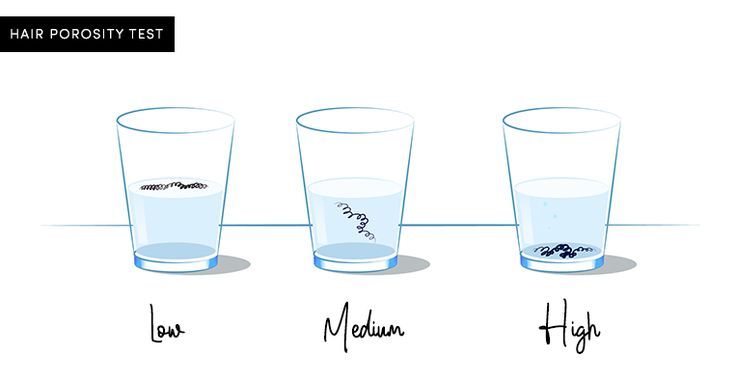
1. Porosity: How Hair Manages Moisture
Porosity describes how open or compact the cuticle is.
Low-porosity hair has tightly packed cuticles and repels moisture.
High-porosity hair absorbs water quickly but loses it just as fast.
Medium porosity sits in the middle.
Afro hair is often high porosity due to natural curvature and environmental exposure. This influences product absorption, drying time, and conditioning needs. Stylists who understand porosity can prevent dryness, frizz, and breakage by adjusting technique accordingly.
2. Density: How Much Hair Is Actually On the Head
Density refers to the number of strands per square inch.
A client may have coily hair but low density, meaning heavy braids or extensions will overwhelm their hairline. Another may have high density, requiring smaller sections for even tension and thorough product distribution.
Density affects:
Sectioning
Tension distribution
Product quantity
Styling longevity
Ignoring density leads to traction damage, uneven styling, and preventable breakage.
3. Elasticity: How Hair Stretches and Bounces Back
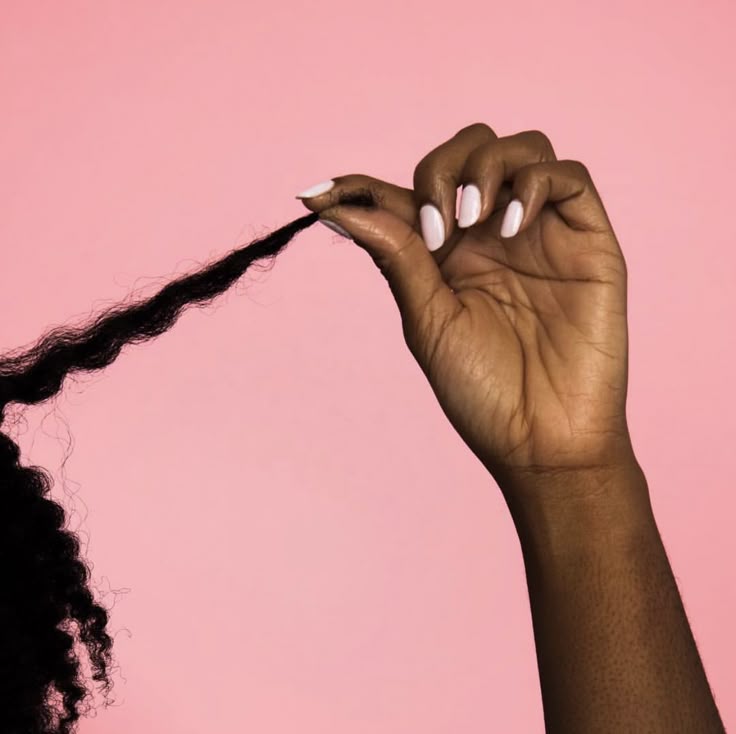
Elasticity reveals the internal strength of the cortex.
High elasticity hair stretches well and returns to shape.
Low elasticity hair snaps easily and requires gentler handling and moisture balance.
Afro hair often stretches significantly before breaking — a property stylists must understand to detangle safely and prevent over-stretching during braids or blow-drying.
Why These Three Factors Matter
When stylists combine porosity, density, and elasticity, they gain a precise understanding of:
What the hair can safely handle
How to prevent breakage
Which products will work best
How long styles will last
How to set realistic expectations
These characteristics turn theory into technique. And after stylists go through our training (wink), they begin to see these factors instantly — even before touching the hair. That level of clarity is what creates confident, inclusive professionals who can serve any client with ease.
Join The Free Curl Clarity Community And Level Up Your Styling Game