
- Jan 6
Is Afro Hair Curly?
Afro Hair Is Curly Hair: A Shared Professional Understanding
For many hair professionals, Afro-textured hair has historically been positioned as something separate from curly hair — different techniques, different rules, and often, different levels of confidence.
But when we step away from legacy training frameworks and return to fibre science, a much clearer picture emerges.
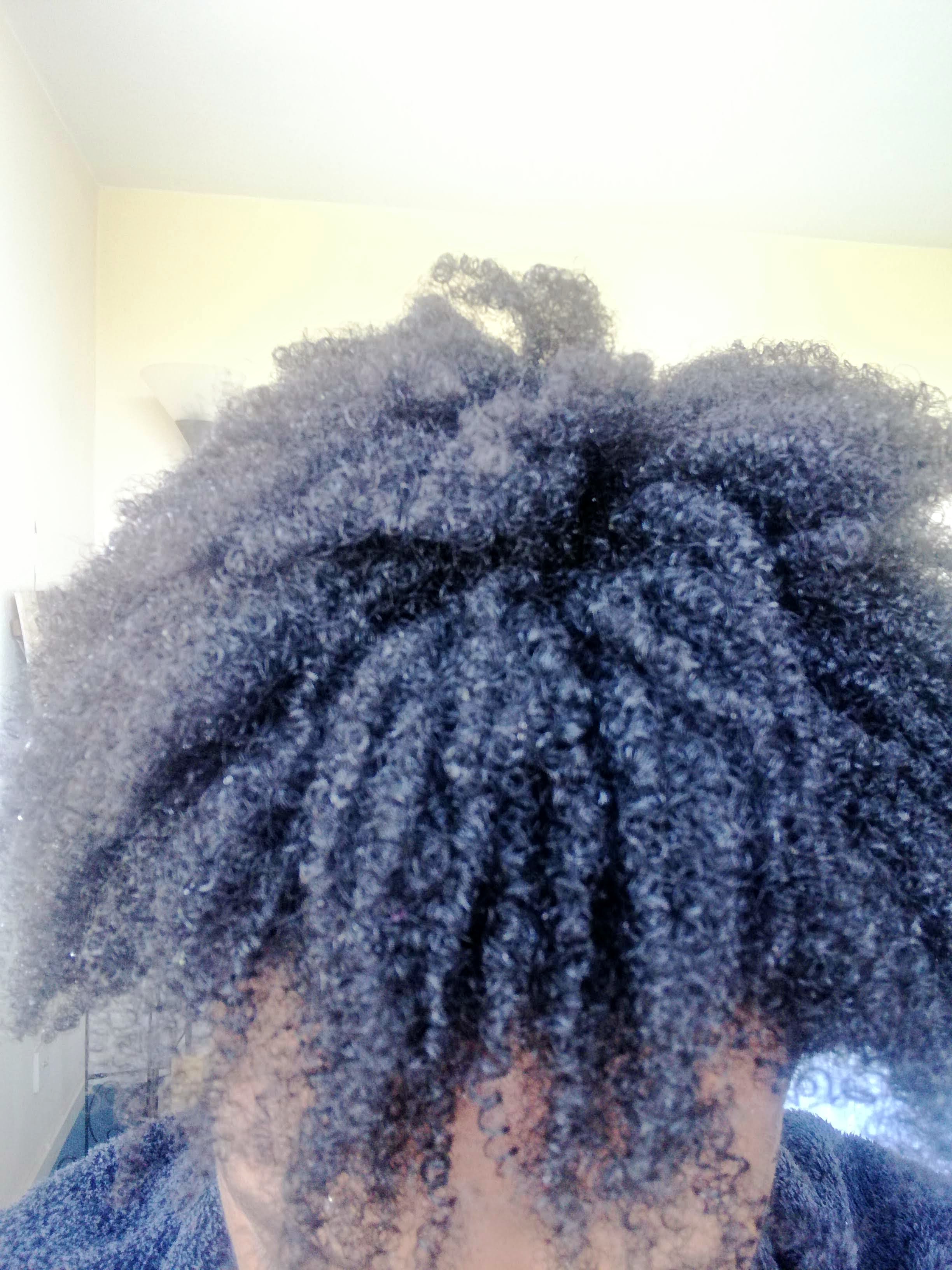
Afro hair is curly hair.
This isn’t a cultural statement or a trend-driven debate. It’s a biological and structural reality — and one that has meaningful implications for professional services, client experience, and long-term salon sustainability.
Why Afro Hair Has Been Left Out of Curly Hair Conversations
Historically, curly hair education has been shaped by Eurocentric beauty standards and heat-dominant service models. Within these frameworks, Afro hair has often been treated as an “advanced” category, a specialist add-on, or something that must first be altered before it can be worked with.
As a result, many professionals were never properly supported to understand healthy, untreated Afro and mixed-race hair as part of the natural curl spectrum.
This “othering” has not come from the hair itself — but from the way education, imagery, and professional pathways have been structured.
And that gap in training is what continues to create confusion, hesitation, and unnecessary service overwhelm today.
The Science: How Curl Pattern Is Formed
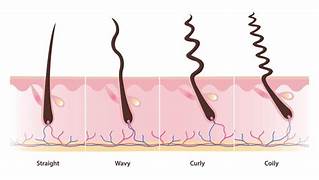
From a fibre science perspective, hair shape is determined at the follicle.
The more asymmetrical the follicle, the greater the curvature of the hair fibre.
Round follicles typically produce straight hair
Oval follicles tend to produce wavy hair
Elliptical or asymmetrical follicles produce curly to tightly curled hair
Afro-textured hair sits firmly on the curly spectrum because of its elliptical follicle shape and the way keratin proteins and disulfide bonds are distributed along the strand.
These internal and external structures lead to:
Greater curvature
Variable diameter along the fibre
Visible shrinkage
Shrinkage, in this context, is not a flaw. It is a natural outcome of elasticity and healthy curl behaviour.
In other words, Afro hair is doing exactly what curly hair is designed to do.
Where Professional Frustration Really Comes From
When professionals describe Afro hair as “difficult” or “time-consuming,” what they are often experiencing is not a problem with the fibre — but the impact of incomplete education and conflicting advice.
If Afro hair has only been introduced through blow-drying, stretching, or heat-based preparation, working with it in its natural state can feel unpredictable. That uncertainty increases service time, physical strain, and professional anxiety.
However, what we consistently hear from attendees of Afrotility’s Fundamentals of Afro CPD-accredited full-day certification is that once the science and structure are clearly understood, the overwhelm reduces.
Professionals report:
Clearer service flow
Improved results
Increased confidence at consultation
More consistent bookings
Not because they are doing more — but because they are no longer fighting the fibre.
What This Changes in Practice
When Afro and mixed-race hair is approached as curly hair, professional behaviour naturally shifts.
As hair professionals, we begin to:
Work with curl behaviour instead of suppressing it
Reduce unnecessary heat exposure
Use low-manipulation, fibre-respecting techniques
Design services that support longevity and at-home maintenance
This also opens the door to a growing and under-serviced client group.
There are many individuals with Afro curls actively seeking heat-free services, and in practice, many are willing to pay more to protect the long-term health of their hair.
The belief that natural hair services “take too long” is usually only true when uncertainty is present.
When approached with clarity, wash-and-go services and low-manipulation professional styles are often quicker than blow-dry-based services, place less strain on the stylist, and result in clients who are easier to support between appointments.
For braiders, stylists, and salons, this understanding supports not only better outcomes — but better retention, reduced burnout, and more sustainable profitability.
Moving Forward With Clarity
This conversation isn’t about trends or terminology.
It’s about returning to structure, behaviour, and intention.
Afro hair is curly hair.
And when we understand how it behaves, our work becomes clearer.
Continue the Conversation
If this article has shifted something in your thinking — even slightly — you’re invited to share your reflections with us or within your professional team.
You can also listen to the full podcast episode, “Afro Hair Is Curly Hair,” on Afrotility’s Curl Clarity podcast, where we explore this topic in depth for professionals and educators.
Because this work doesn’t move forward through blame —
It moves forward through understanding.