Ancient Egypt: The Birth Of The Hair Professional
In ancient Egypt, hair was never “just hair.” It functioned as a visible language of identity—age, social rank, gendered roles, and ritual—and that made haircare a recognised craft early on. Our best evidence comes from tomb scenes, inscriptions, surviving tools, and hairpieces (including wigs). Taken together, these sources show that hairstylists and barbers worked as established trades across long periods of Egyptian history, and that hairdressing was treated as skilled, repeatable work.
Researchers also describe both private practitioners (serving households) and state-linked roles, suggesting that hair work could be organised at multiple levels of society. This matters: it tells us that hair services were not marginal—they were part of the infrastructure of daily life and public life.
Technically, Egyptians were working with a “full kit” mindset. Combs and copper-alloy razors appear in museum collections, and written/visual sources depict repeatable practices—cutting, shaving, shaping, and maintaining hair and hairpieces. Wigs and extensions were not simply fashion statements; they were engineered adornments that could be cleaned, stored, and re-used, helping people manage hair and scalp differently across heat, dust, labour demands, and ceremonial requirements.
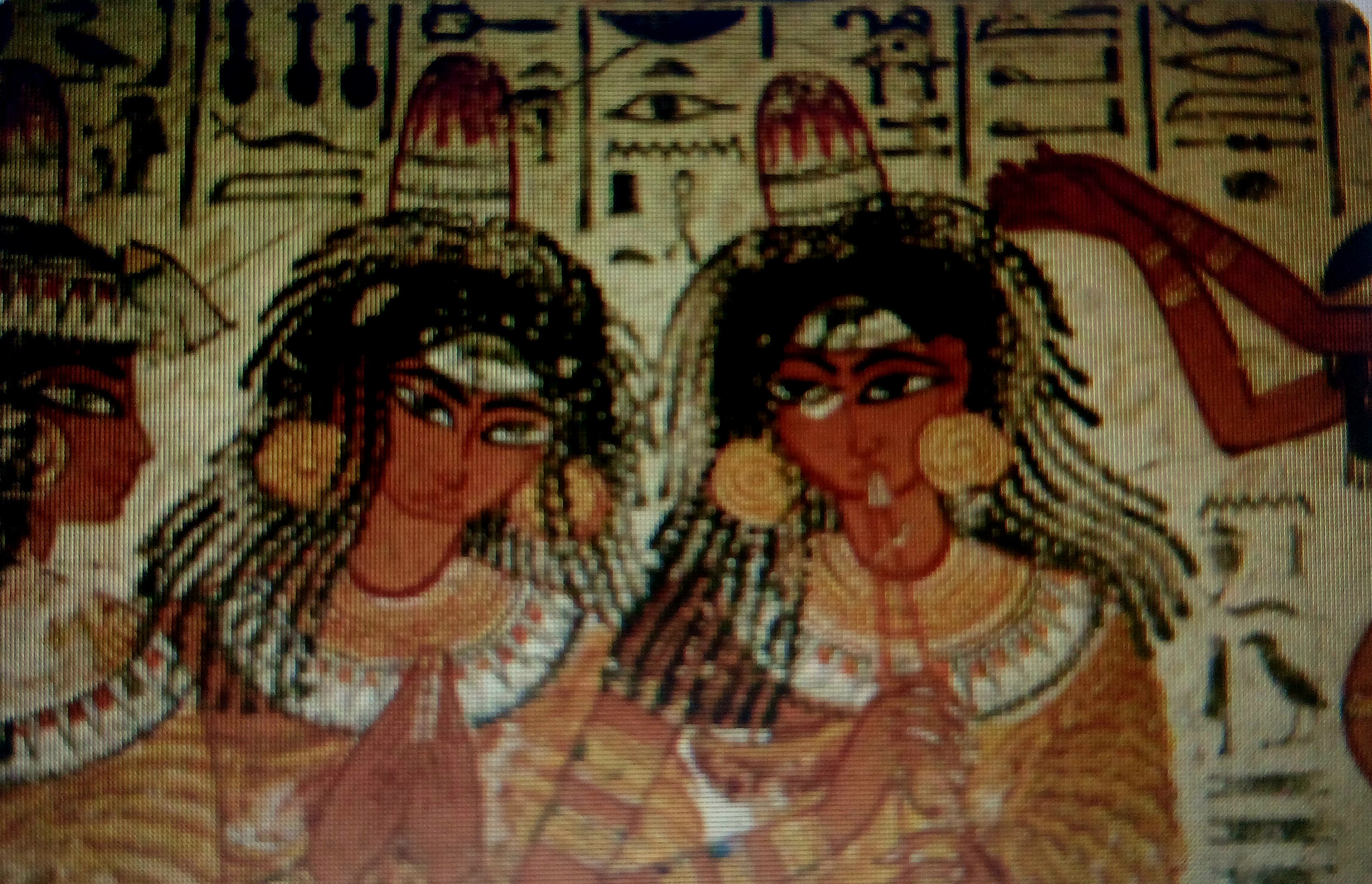
The social layer is just as important as the technical layer. Research into Egyptian hair and hairstyles links hair to identity and social groupings (men, women, children, elders), and notes how certain looks could be restricted to particular roles or offices. In a culture where hair carried spiritual and political meaning, hairdressing became intimate work: the practitioner needed skill, discretion, and the client’s trust.
Moment of curl clarity for the professional: ancient Egypt reminds us that “professional hairdressing” is not a modern Western invention—it’s an ancient, global craft rooted in technique, tools, and cultural literacy.
Micro-practice to try this week: add one question to your consultation script—“What does this style need to do for your life?”—and watch how it sharpens your choices around tension, sectioning, finish, and aftercare.