Rome: The Salon Economy, Barbershops, and Cultus
In ancient Rome, hairdressing moved even closer to what we would recognise as “the salon economy”: specialist workers, repeat clients, trend cycles, and public spaces where grooming and social life overlapped. The Latin term for barber is tonsor, and the barbershop (tonstrina) was part service, part community noticeboard—people came not only to be groomed, but to talk, listen, and belong.
Roman sources also frame grooming under the wider idea of cultus—adornment and refinement as part of public life. That matters because hair choices were socially loaded: cut, beard style, and finish could signal age, status, and “respectability,” which is why routines became habitual and why clients returned again and again. Even without modern media, fashion circulated—hairstyles evolved, and skilled hands kept up with demand.
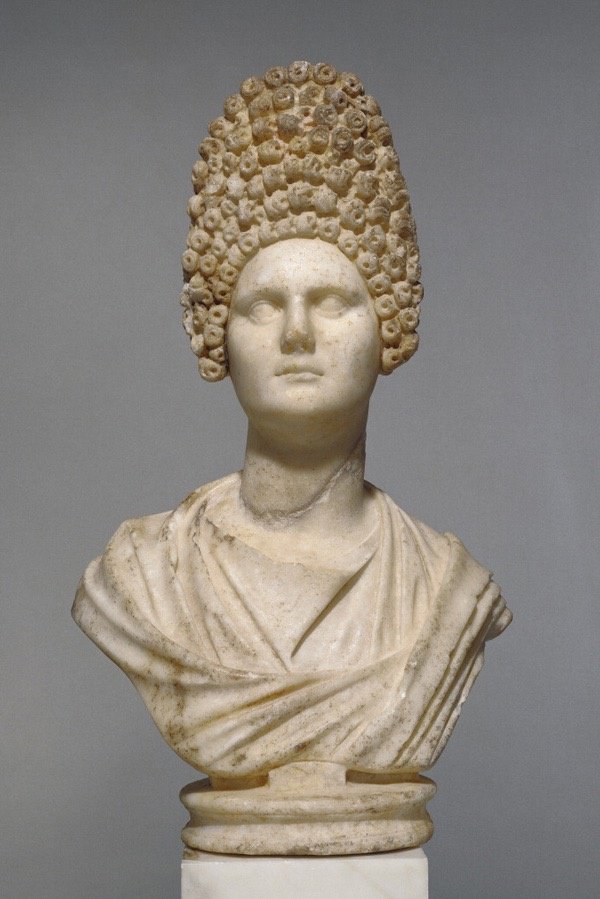
Rome illustrates a clear division of labour in hair services. For men, the tonsor cut hair and shaved beards, often from a street-side shop. For women in elite households, the ornatrix (often a domestic worker) could create intricate styles and manage adornment, using oils and preparations to manipulate shine and set. Whatever your view of the social hierarchy, the professional point is clear: technical skill was valued, and hair work was a recognised role with its own tools, techniques, and expectations.
A key teaching moment for today’s stylists is how Roman grooming blurred “hair” and “personal care.” Sources describe barbers doing more than cutting and shaving—trimming nails and offering other grooming services. That overlap is why hygiene and boundaries matter so much in modern practice: whenever tools or hands move between hair, skin, and scalp, infection-control standards become non-negotiable.
Moment of clarity: Rome reminds us that a salon is more than a chair—it’s a social contract. Clients are paying for results and for respect: punctuality, consistency, technical excellence, and care of the body.