African Braiding: Hair as Language, Art, and Community
Across the African continent and the diaspora, braiding is far more than a hairstyle category—it is a technology, an art form, and (in many communities) a social language. Museums and scholars describe hair in African societies as carrying messages about identity: clan or ethnic affiliation, age, marital status, social rank, wealth, and religion.
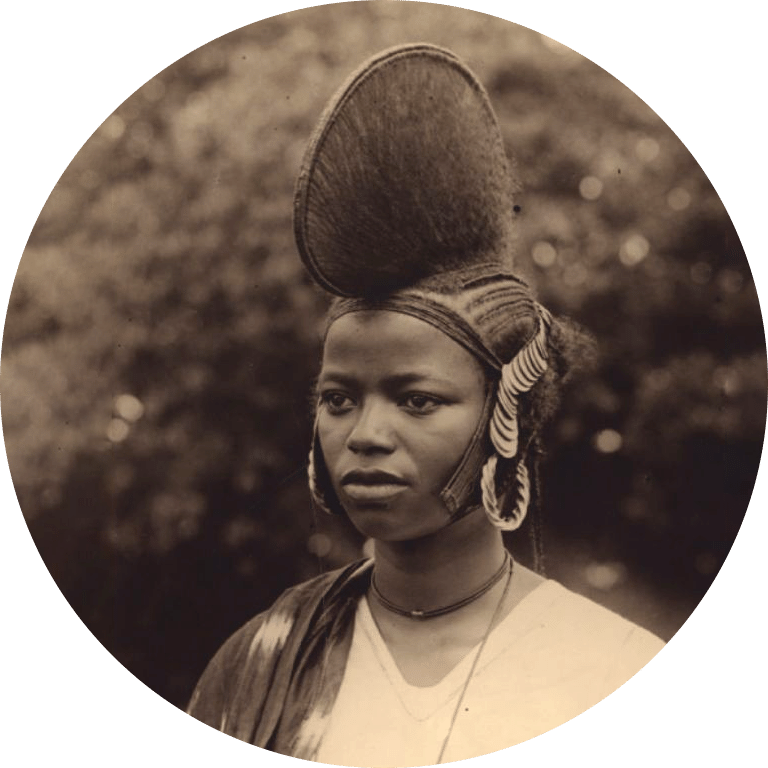
Many community histories also describe hair as spiritually significant—treated with care because it is close to the head, the self, and (in some beliefs) the sacred. Educational museum resources note traditions where hair was understood as a channel for communication with the spiritual world, which raises the cultural stakes of “who touches the hair” and how. We should be careful not to flatten this into one story, but we can honour the principle: hair work requires consent, respect, and clean hands.
That matters for professionals because braiding is not “casual work.” It is culturally literate work. The stylist isn’t only managing strands; they’re handling a client’s story and social presence. The National Museum of African American History and Culture frames Black hair as a site of identity over time, noting heritage styles repeated and adapted over millennia.
Braiding also functions as a community practice. In many households, intricate styles are created through shared time—talking, teaching, and bonding. This is why professionalism in braiding must include both technique and client care: consultations, time management, pain-free tension control, and aftercare education protect the craft’s reputation as much as they protect hair.
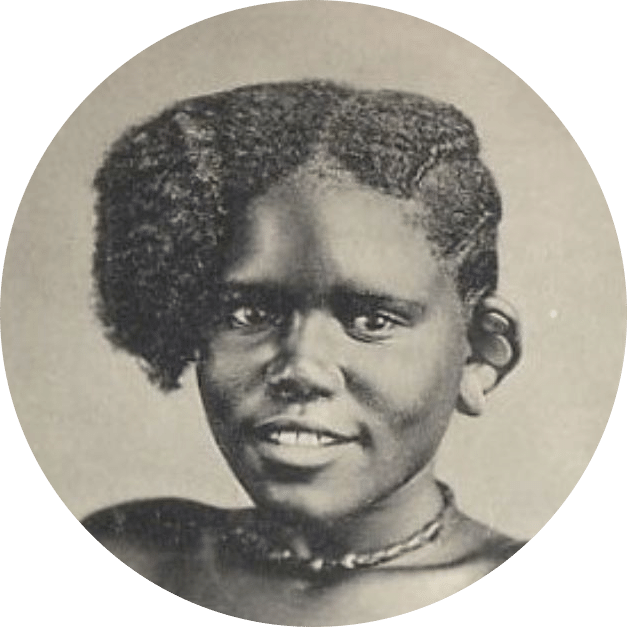
A crucial nuance and todays moment of clarity: Africa is not one hair culture. Symbols differ across regions and peoples; what is “everyday” in one community may be ceremonial in another. So the professional skill is not memorising a list of meanings—it’s learning to ask the right questions and avoiding assumptions.
Try this consultation sequence for braided styles:
“What does this style mean to you—practicality, heritage, celebration, identity?”
“How long do you need it to last, and what’s your scalp sensitivity like?”
“What’s your non-negotiable: neatness, fullness, speed, or low tension?”
When clients feel seen, they’re more willing to invest—and when stylists protect comfort and integrity, clients stop treating braiding as “cheap labour” and start treating it as skilled service.